The ‘hook’
by Jan Markos
The ‘hook’ is a far less well-known strategic topic than, for example, the bishop pair, space advantage, etc. But it is nevertheless very interesting and worthwhile to study in practice! In his new video, Jan Markos explains the concept using three examples.
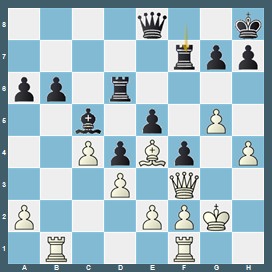
In Duda – Laznicka (2019), White invested a tempo with 32.Qh5 to force 32...g6 (the queen retreats to f3) and thus create a point of attack, a ‘hook’ on g6. This was a very worthwhile investment, as there is now no defence against White's attack on Black's king.
A similar scenario can be found in the example Leko – Radjabov (2006):
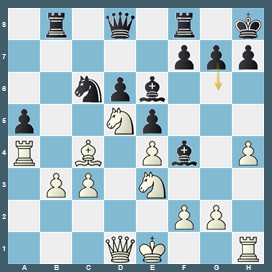
Leko played 19.Nf5!!, followed by 19...g6 20.Nfe3 and a few moves later Black was losing with a disastrous king position.
The third example has a different character: with 12...Qh4
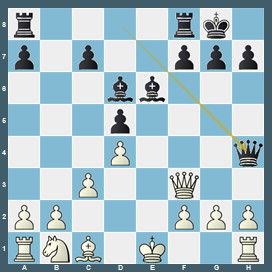
Black provoked 13.h3. How should Black continue after 13...Rae8 14.0-0?